
Complete Guide to Buying Your First Home in Dubai
news
Buying your first home is always a mix of excitement and anxiety. In Dubai, this feeling is made even more special because the city is not just about the building – it’s about lifestyle, opportunity and long-term growth. For a first-time buyer, the process can seem confusing. Where should you start? How much money do you really need? Which area is best for you? This guide will walk you through it in simple terms, step by step.
Why People Choose Dubai for Their First Home
Dubai is a city where modern living meets investment opportunities. The biggest advantages are that there is no property tax, the infrastructure is world-class and the real estate market is open to international buyers in designated freehold zones. This is largely because families prefer the safe communities, professionals enjoy the convenience of city living and investors value the strong rental yields. In short, it’s a city where owning a home makes sense in more ways than one.
Step One: Be Clear About Your Budget
Before you scroll through listings or visit showrooms, sit down and figure out your budget. Don’t just calculate the purchase price—remember to include things like registration fees, service charges, and maintenance. If you’re taking a mortgage, banks in Dubai typically finance up to 75% for expats, though this can vary. Knowing your numbers from the start saves a lot of stress later.
Step Two: Find the Right Neighborhood
Dubai is not a one-size-fits-all city. For example, if you like to be in the center of everything, Downtown is perfect, while Dubai Marina offers you a vibrant waterfront lifestyle. Families often choose areas like Dubai Hills Estate or Arabian Ranches for their greenery and nearby schools. And if affordability is most important, areas like Jumeirah Village Circle (JVC) offer good starter homes. Think about your daily lifestyle before choosing a location.
Step Three: Decide Between Ready or Off-Plan Homes
First-time buyers often ask: should I buy a completed home or go for an off-plan project? A ready property means you can move in right away or rent it out immediately. On the other hand, off-plan homes usually cost less upfront and come with easy payment plans, though you’ll have to wait for handover. Both have advantages—the right choice depends on your priorities.
Step Four: Get Professional Help
Dubai’s property laws are simple, but if you’re new, it’s a smart move to work with a RERA-approved real estate agent. They will help list the property, guide you through the paperwork and make sure you don’t miss out on important details. This is why a good agent can often save you money and time, especially if you’re not familiar with the market.
Step Five: Understand the Legal Process
If you like a home, once you’ve chosen your home, you’ll sign a contract with the seller, usually requiring a 10% deposit. The sale is then registered with the Dubai Land Department, where transfer fees and other charges apply. Compared to many countries, the process is surprisingly simple, but it’s still wise to carefully review all documents before signing.
Step Six: Think About the Future
Buying your first home isn’t only about today—it’s also about tomorrow. Ongoing costs like service charges, utilities, and maintenance will be part of your ownership. If you’re buying as an investment, Dubai’s strong rental market works in your favor. Many first-time buyers rent out their property to cover mortgage payments, which makes ownership much easier to manage.
A Few Extra Tips
Don’t rush—take time to compare options.
Visit the area at different times of day to get a feel for the community.
Research the developer’s history if you’re buying off-plan.
Always keep some savings aside for unexpected expenses.
And most importantly—buy something that feels right, not just “cheap.”
Your first home in Dubai doesn’t have to be overwhelming. If you plan your budget, choose the right location, and get proper guidance, the process can be smoother than you think. This city offers more than just a property—it offers a lifestyle and a solid investment rolled into one. Consider this your complete guide, and when the time comes, you’ll be ready to take that exciting step of unlocking the door to your very own home in Dubai.
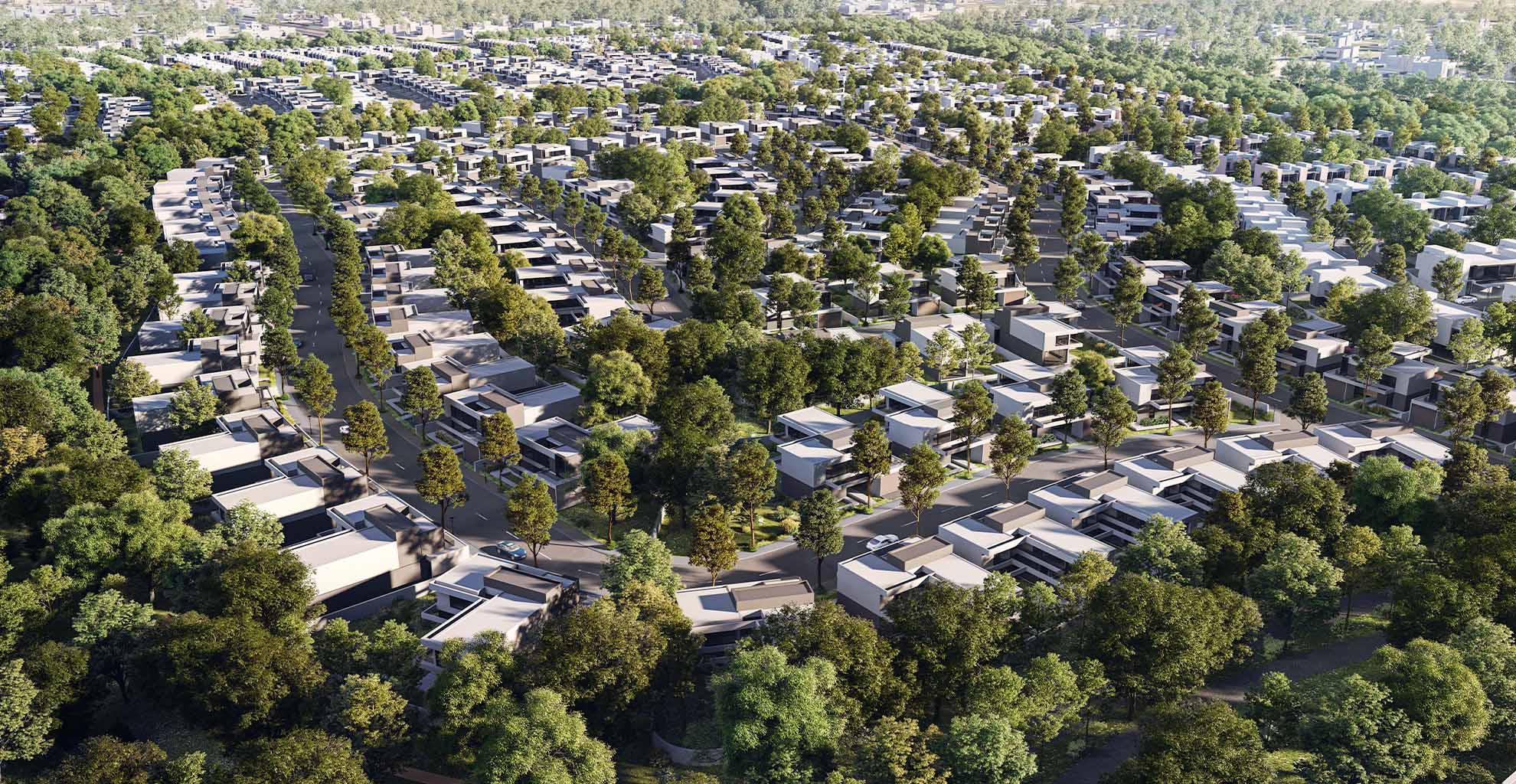
Masaar 3 by Arada
ASPIRZ by Danube Properties

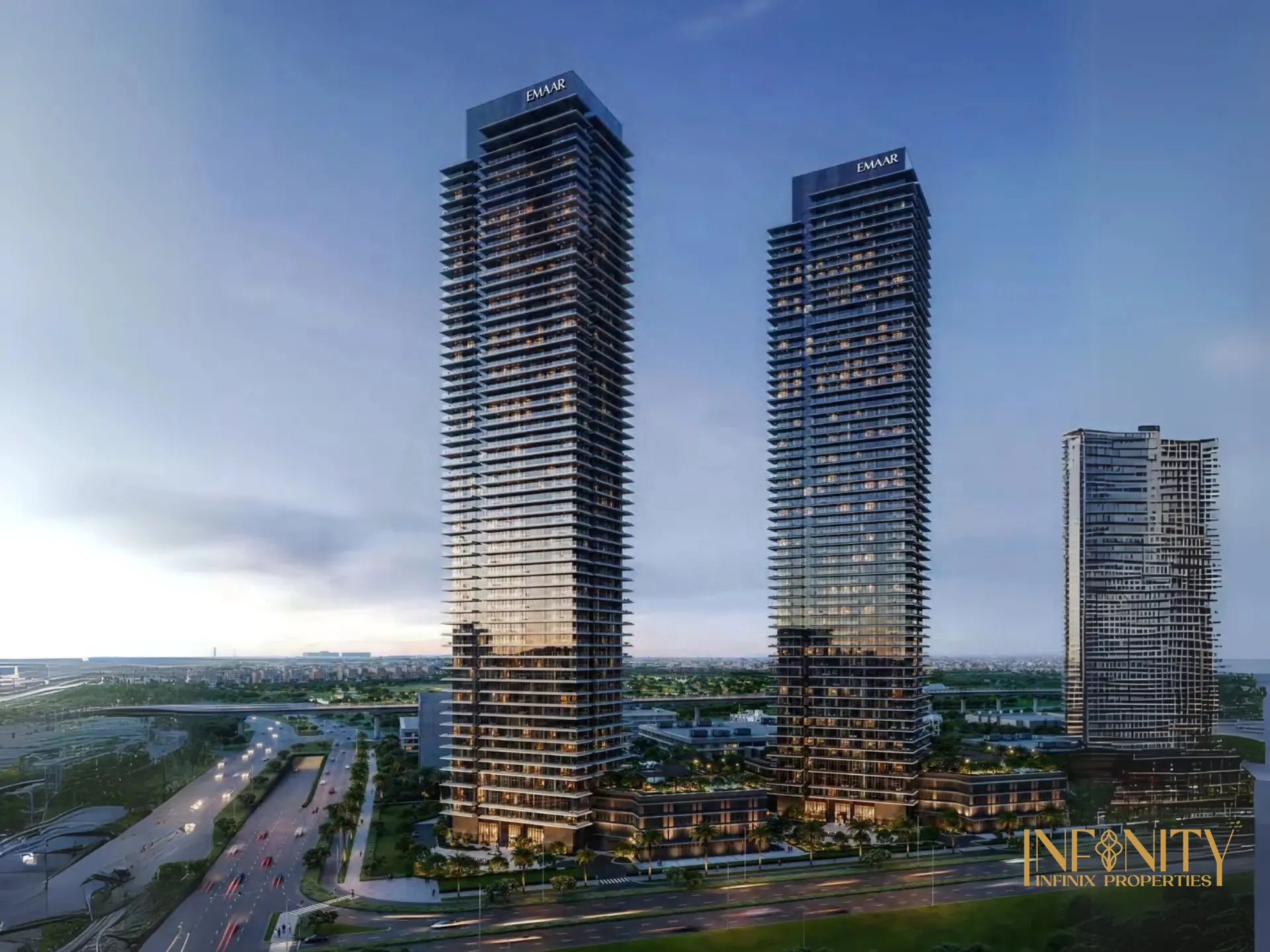
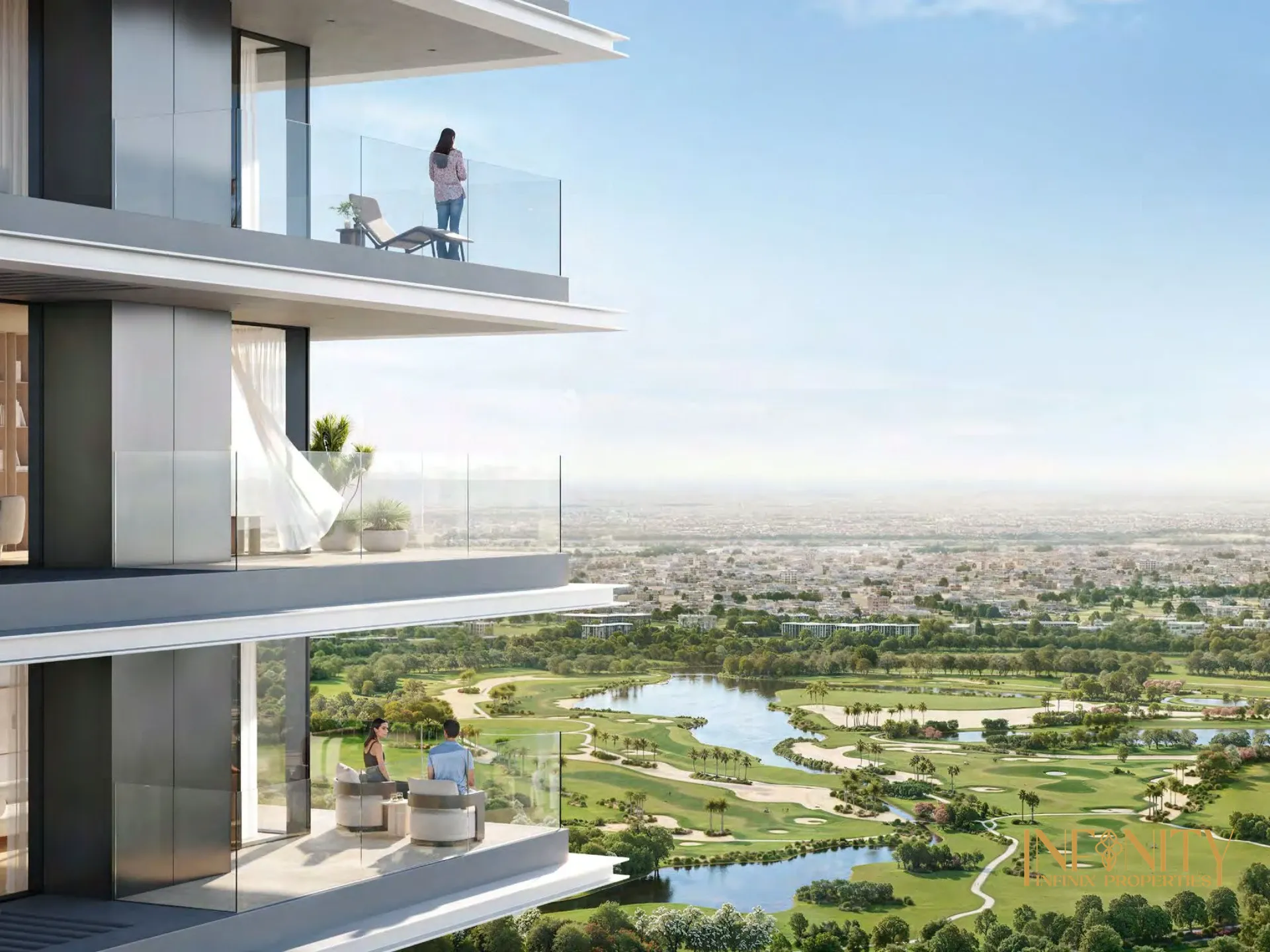
Altan at Dubai Creek Harbour - Emaar Properties
FEATURED PROPERTIES